
FOR CLINICIANS READY TO MOVE FROM AWARENESS TO GENUINELY AFFIRMING PRACTICE

Neurodiversity-Affirming Considerations for Clinical Practice

Learn to meet neurodivergent clients where they actually are, with the frameworks, language, and tools to make your practice genuinely affirming.

1.75 CE Credits (1 hour 45 minutes)   |   On-demand recording with lifetime access   |   $65
Start Learning Now  

What You'll Learn

  • How to explain the neurodiversity paradigm and apply it meaningfully in clinical settings
  • How to identify common neurodivergent conditions and the specific harms and biases your clients may have experiences in prior therapeutic settings
  • How to use identity-first language, respect autonomy, and implement sensory communication and accommodations in your practice
  • How to adapt treatment planning and therapeutic interventions to support the full spectrum of neurodivergent identities
  • How to support clients around unmasking, self-advocacy, and burnout prevention in ways that honor their actual experiences

Practical Strategies You'll Be Able to Use Immediately
  • A framework for applying the neurodiversity paradigm directly in session
  • Tools to identify and address bias in your current therapeutic approach
  • Language and communication strategies that center client autonomy
  • Approaches to adapt your environment, interventions, and treatment planning for neurodivergent clients
  • Strategies to support unmasking, self-advocacy, and burnout prevention
Charla Yearwood, LCSW—Social Work Consultant and Instructor at Doin' The Work LLC, therapist, and founder of Connected in Community

Erin St John, LCSW

Therapist, educator, advocate

MEET YOUR INSTRUCTOR

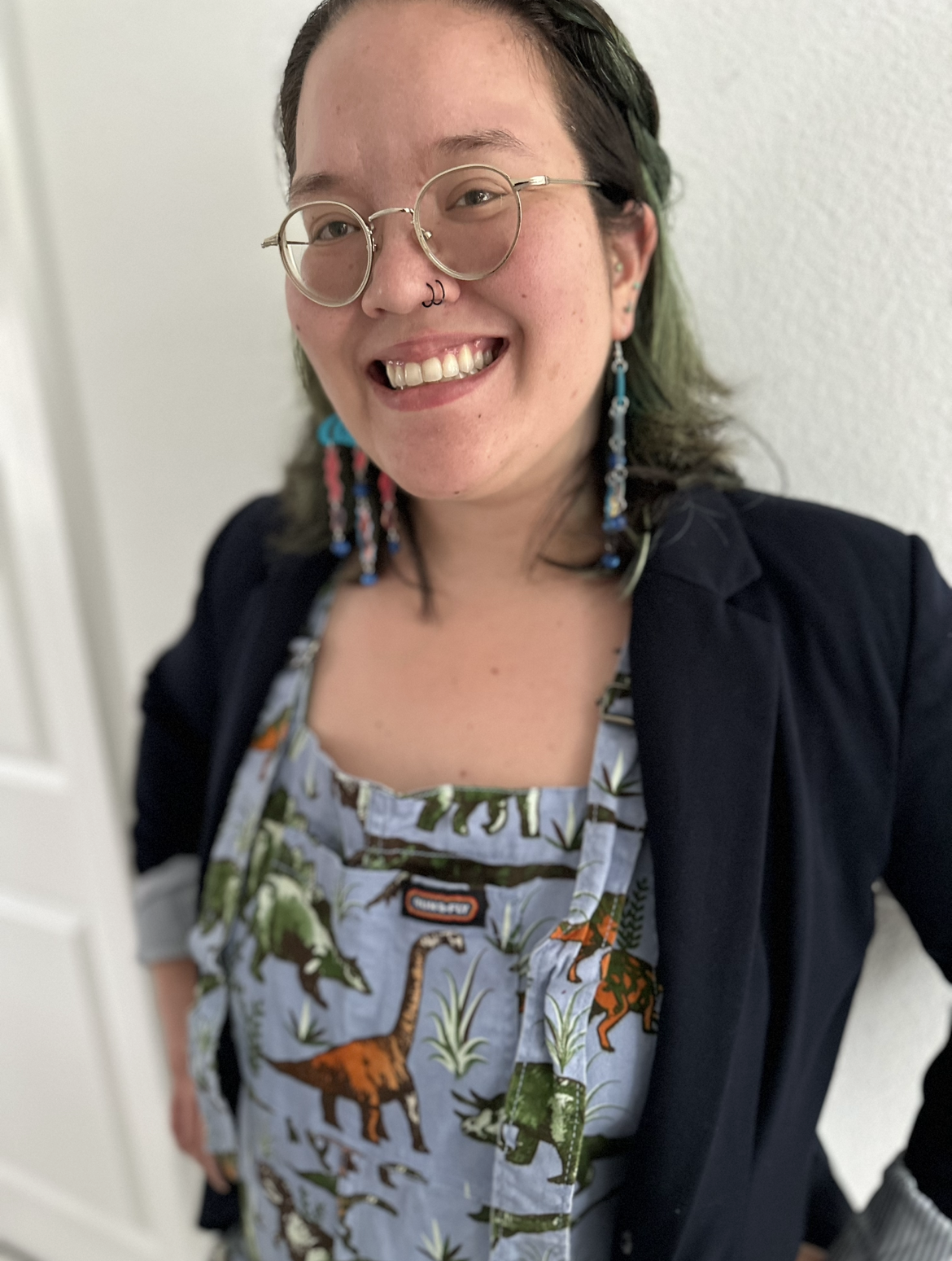
Erin St John, LCSW (she/they) is a Licensed Clinical Social Worker and founder of Humans Helping Humans Counseling LLC. She specializes in working with queer, neurodivergent, and chronically ill and disabled populations. As a queer, AuDHD person who lives with chronic illness and disability herself, Erin brings both clinical training and lived experience to this work. She is trained in EMDR and Safe and Sound Protocol and operates with a trauma-informed, polyvagal-informed lens.

Why Clinicians Choose This Course

$65 — Lifetime access included

A neurodiversity-affirming CE course grounded in lived experience and clinical practice—tools you can use immediately and revisit anytime as your practice evolves.

  • On-demand recording — learn at your own pace, on your schedule
  • Immediate clinical application — use these strategies in your very next session
  • 1.75 CE credits (1 hour 45 minutes) — approved by ASWB ACE
  • Affirming, strengths-based framework — practice that actually works for neurodivergent clients
Get Immediate Access — start applying these tools today  

Praise for Doin' The Work Courses

“These are the CEs we all need! Doin' The Work instructors are excellent facilitators of difficult conversations about racism, whiteness, white supremacy, privilege and oppression and the impact on social work practice. The course I took with them allowed me to examine my White identity, further develop my critical pedagogy and deepen my understanding of these topics. Every social worker should take these courses!”


Kim R.

Participant


“I literally learned more in the courses I took with Doin' The Work than I did in my university's American & Social Work history class. They offer ENGAGING content that centers the lived experiences of marginalized identities whilst providing practical tools on how to engage in social justice, resistance & liberation in daily Social Work practice. Being able to learn from Shimon and Charla has forced me to explore and commit to concrete ways of living that authentically reflect activism, scholarship & solidarity in my community. If you have the opportunity to engage with these courses, I highly recommend it to you."


Kelley H., LMSW

Clinician & Professor

"I wish everyone in social work could take these classes. It has been a transformative experience for me, and it is impacting how I show up in my own job at my School of Social Work, my own clinical practice, in my community in terms of increasing my involvement in community action, and in my own personal life.”


Ann H., LCSW
professor

Created with